Hidden work in progress
Bundles pile up at one operation while others wait, and nobody sees the imbalance until the target is missed.
 Discuss a requirement
 Line 04 · liveOutput on targetInline QC: 3 defectsMachine 12 due for service
Stitching line tracking
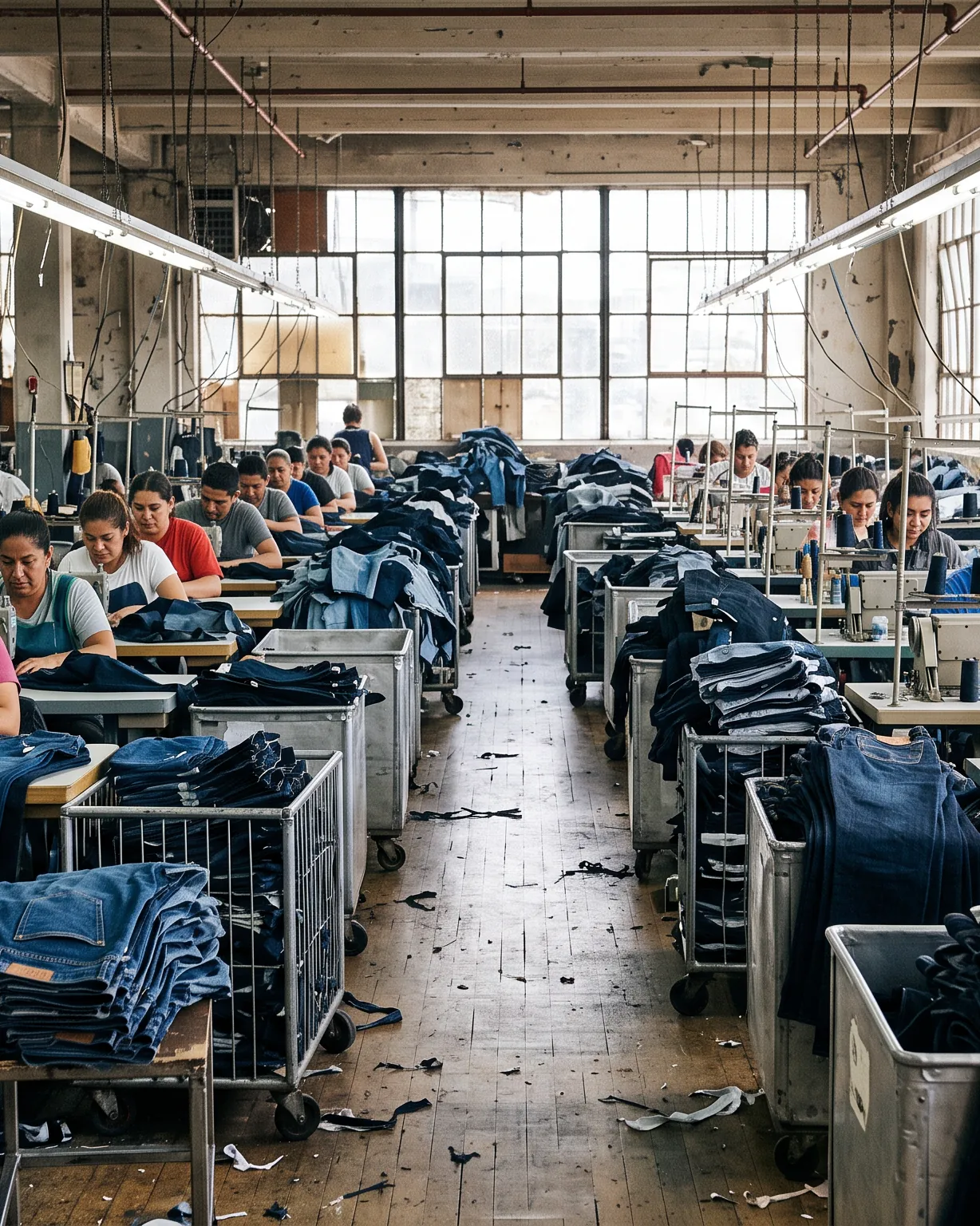
RFID bundle cards and workstation devices capture production, quality and maintenance events as they happen, giving supervisors a live view of the sewing floor.
Why line data arrives late
When output, defects and machine issues are written on sheets and entered later, supervisors react a shift after the problem started.
Bundles pile up at one operation while others wait, and nobody sees the imbalance until the target is missed.
Quality issues are discovered at end-line, long after the operation and operator that caused them.
Machine repairs and servicing are not recorded against the machine, so the same faults repeat.
Production tracking
RFID cards and workstation devices connected over the factory network record every operation, operator and piece count in real time.
Cut pieces are bundled and an RFID card is initialised for each bundle.
Bundles are assigned to the sewing line and its operations.
Workstation devices record operator, operation and pieces as the bundle moves.
Finished pieces pass end-line quality before leaving the line.
The card is detached from the bundle and returned for reuse.
Includes line balancing, work-in-progress management, operator performance analytics, real-time wage calculation and ERP integration.
 Inline / End-line / Defect / Operator
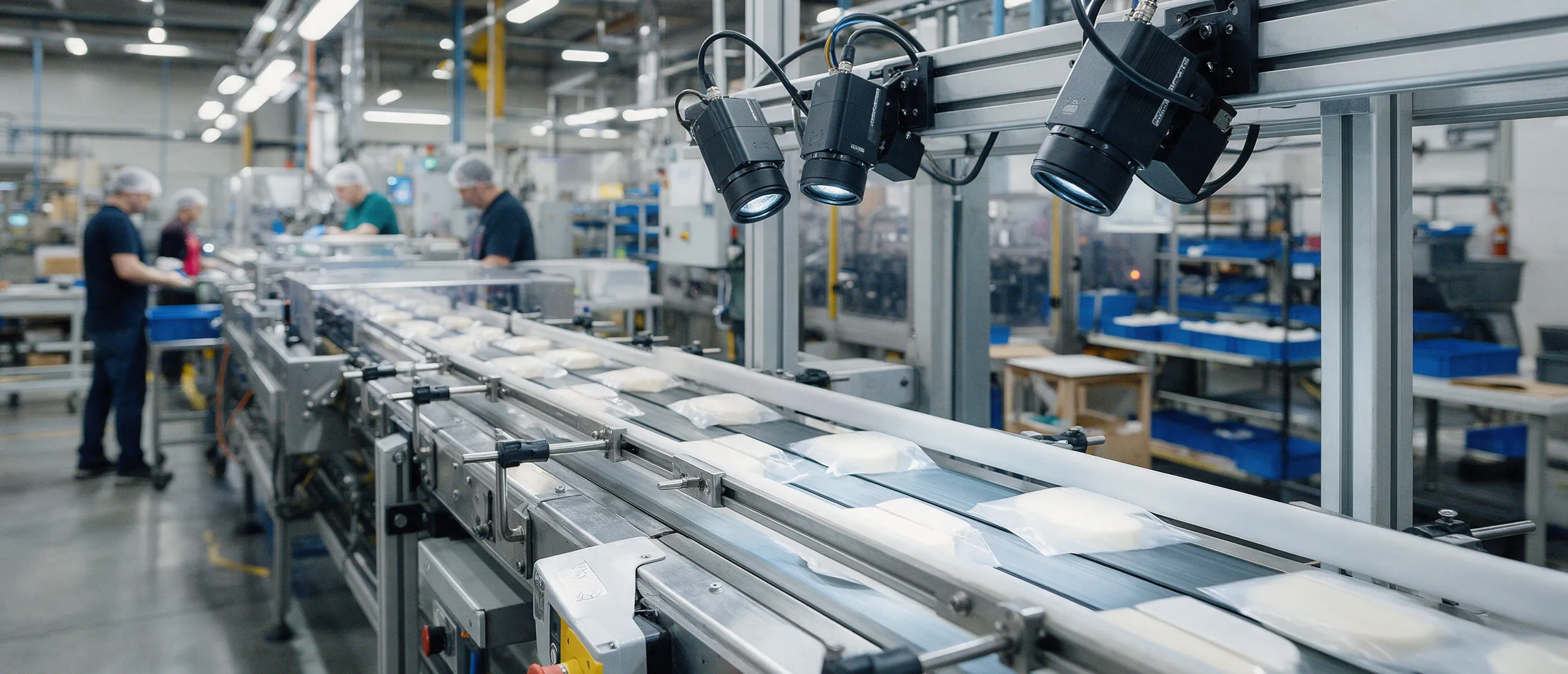
Inline and end-line quality
Machine maintenance
Machine maintenance runs on the same RFID cards and tablets, so servicing and repairs are recorded against each machine.
Each machine carries its own card for identification and tracking.
Supervisors raise quick, accurate and traceable repair tickets by scanning the machine.
Maintenance staff scan the machine card and its audit checklist loads automatically.
Maintenance and repair alerts, machine inventory and real-time maintenance logs.
Dashboards and reports
A web dashboard brings production, quality and maintenance together, with automated PDF reports for management.
Overall equipment effectiveness and production, alerts for efficiency drops or quality failures, and visual KPIs by line.
Operator defects, operator wages, daily production summary, top performers and style-wise work in progress.
Higher line efficiency, fewer defects reaching end-line, lower rework cost and transparent operator performance.
Sewing line
Plan 800 by 17:00. Live output shows the gap at 10:00, not on the end-of-day sheet.
Seven hours left to act, instead of a 58-piece gap found at 17:00.
Sewing line
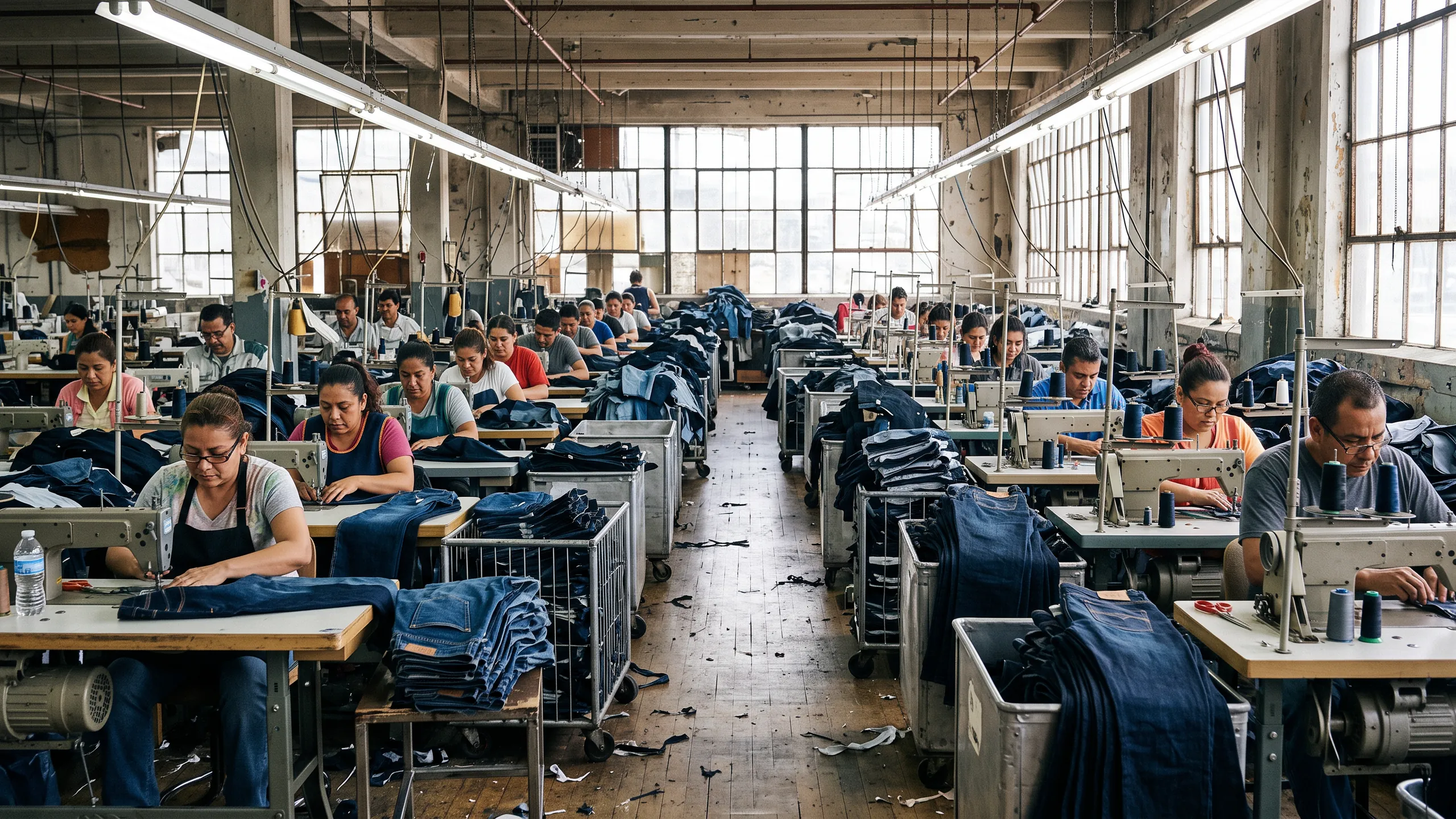
Plan against output on one line through one shift. Live data shows the gap within the hour; the end-of-day sheet shows it at 17:00, when the shift is over.
Scenarios
Two situations from sewing lines, with the arithmetic. The numbers are assumptions; replace them with your own.
Scenario 1
A line has a target of 800 pieces for the shift. Output is counted by supervisors and entered on a sheet at the end of the day.
A bottleneck at one operation slows the whole line from mid-morning. Nobody sees it until the evening count shows 742 pieces. The order is now behind.
Each bundle card is read at every workstation. Output by operation is visible during the shift, so the supervisor sees the bottleneck within the hour and moves an operator to balance the line.
Recovering even 40 of the 58 missing pieces in one shift is 40 more pieces a day per line. Across 10 lines and 25 working days, that is 10,000 pieces a month.
Scenario 2
An open seam appears at one operation on a line producing a large order.
End-line inspection finds the defect hours later. By then hundreds of pieces carry it, and repairs delay packing.
Inline checks are recorded on a tablet against the operation and operator. The first few defects show as a pattern on the dashboard, and the supervisor acts while the problem is a few pieces, not hundreds.
If a defect runs for 4 hours on a line making 100 pieces an hour, 400 pieces may need repair. Found in the first half hour, it is 50.
In practice
Each bundle from cutting carries a card read at every workstation. Each read records who did which operation and how many pieces, which gives live output by line, order and operator, and accurate piece-rate wages without manual tickets.
Inline and end-line checks are recorded on tablets at the point of inspection. Defects are linked to the operation and operator that caused them, so problems are fixed at the source.
Each machine has its own card for repair tickets and scheduled maintenance. Breakdowns, response times and repeat faults become visible, so machines are maintained before they stop.
Questions
RFID bundle cards and workstation devices record every operation, operator and piece count in real time as bundles move from cutting to end-line, giving supervisors a live view of the sewing floor.
Inline and end-line quality checks record each defect at the operation that caused it, instead of discovering it at end-line.
Yes. Each machine carries its own card. Supervisors scan it to raise repair tickets, maintenance staff scan it to load the audit checklist, and every service and repair is logged against the machine.
With a pilot on one sewing line, which shows the data, the workflow and the result before rolling out across the floor.
Start with one line
Starting on a single line shows the data, the workflow and the result in your own factory, with agreed measures, before the rest of the floor follows.