
Understand
Define the operational problem and who is responsible for it.
 Discuss a requirement
Operational visibility and control
Zorsan helps warehouses, factories, distributors and fleet operations identify gaps in movement, verification and operational records, then implement practical connected solutions.
Where it starts
Every industry describes the problem in its own words. Underneath, it is almost always the same.
The record stops at a handover nobody checks.
Solution areas
Start with the point where material, work, goods or moving assets become difficult to locate, verify or manage.
Compare physical items and quantities with the expected order before the shipment leaves.
Follow identity, location and progress from receiving through production and finished output.
Capture defects, process exceptions and verification evidence at the point where they occur.
Connect routes, locations, geofences and exceptions with the action your operation must take.
Fabric roll and cutting, stitching line and garment processing, with counts confirmed at every stage.

For garment manufacturers and exporters
Every roll, bundle and garment carries one record through the fabric store, cutting, sewing, washing, finishing and packing. Shortages are traced to the stage where they happen, line output is visible during the shift, and every carton is checked before the buyer sees it.
Each roll is read and located when it arrives.
A shortage against the delivery note, before cutting starts.
Start with the gap
A business rarely needs another disconnected technology. It needs a specific failure point to become visible, verifiable and easier to control.
 Material ID / Location / Movement
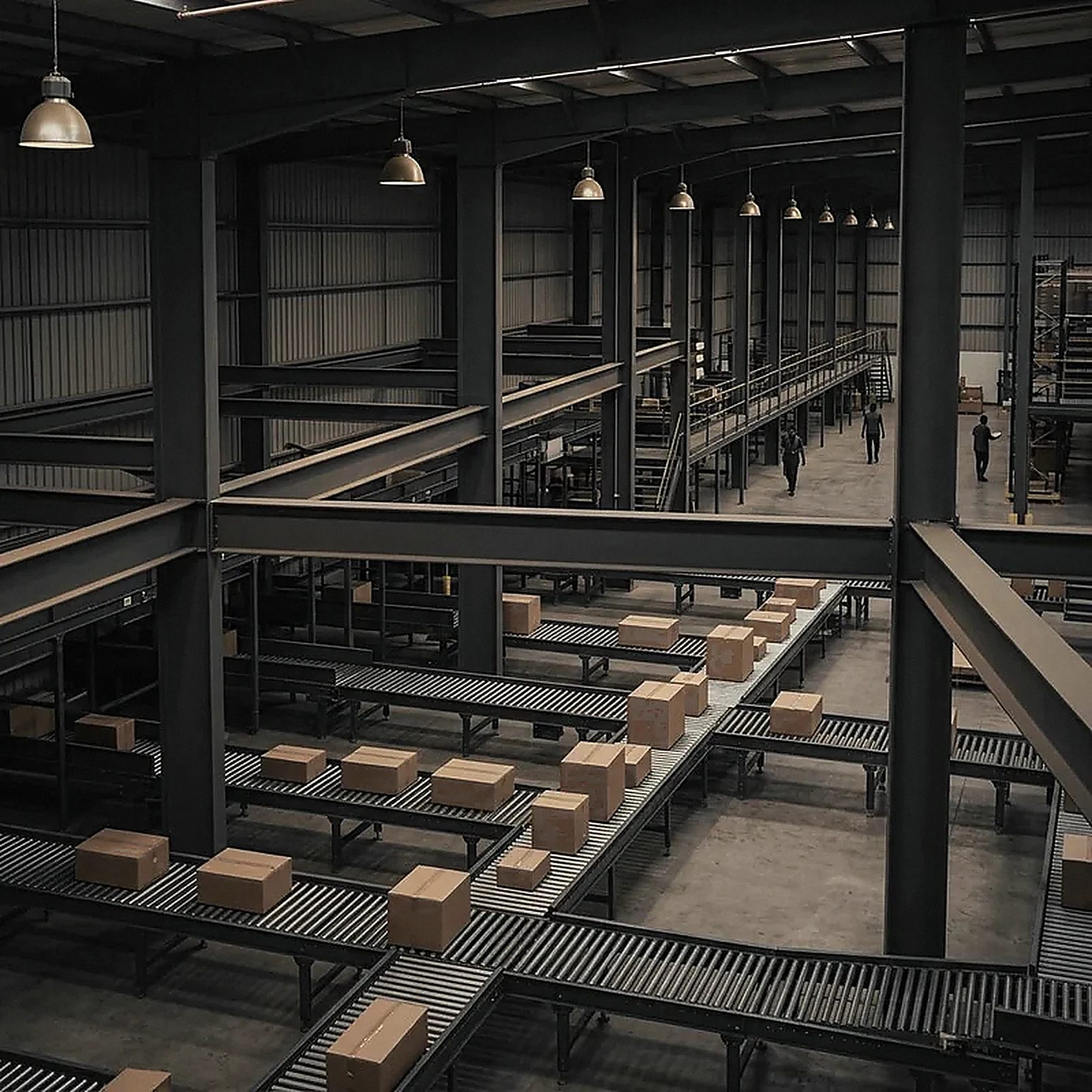
Inventory and materials
Connect identified materials with their location, lot, batch and movement history so teams can locate the right item and verify where it goes next.
 Stage / Work in progress / Exception
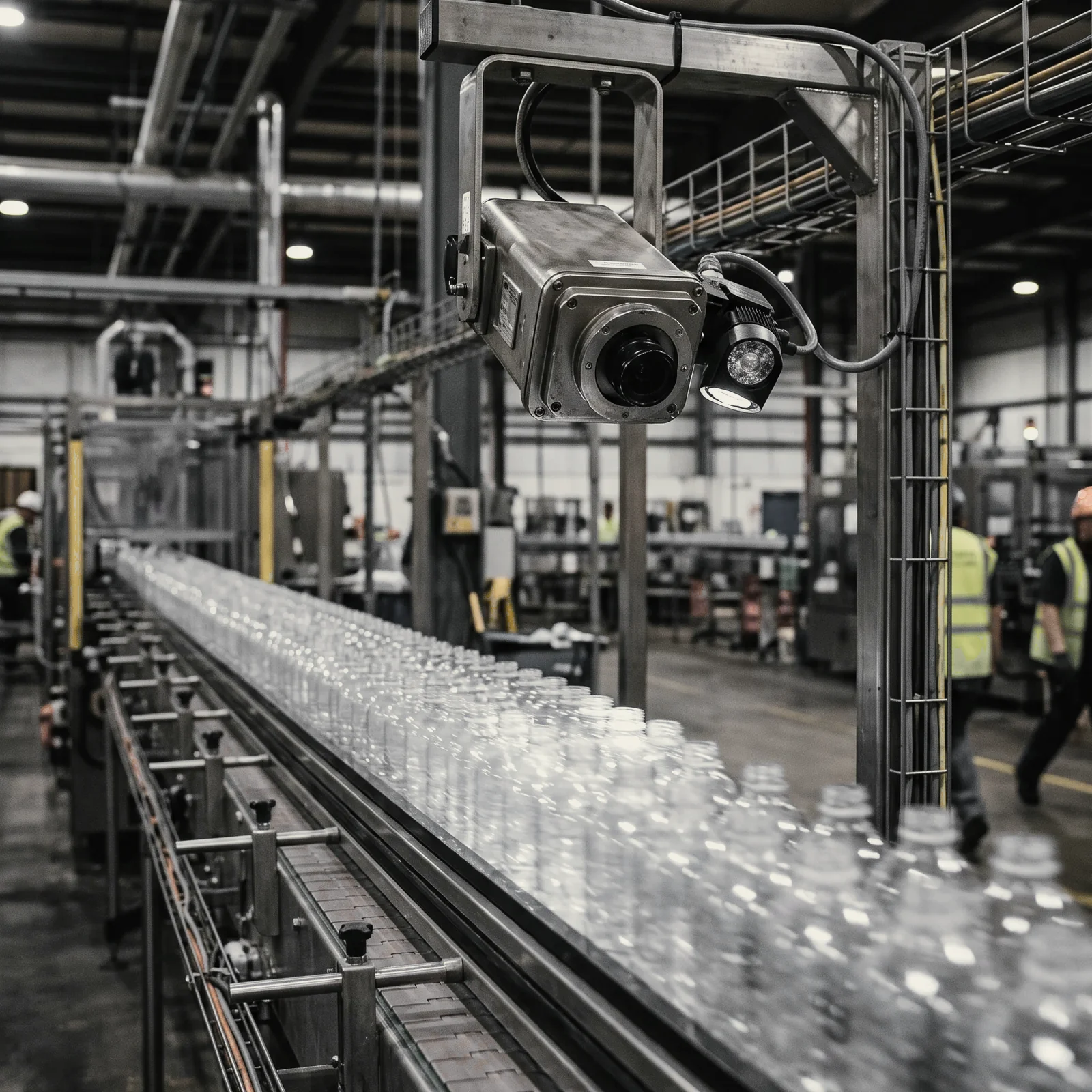
Production visibility
Follow work as it moves through defined stages and give supervisors an earlier view of pending work, bottlenecks, quality issues and delays.
 Expected 48 / Verified 47 / Hold
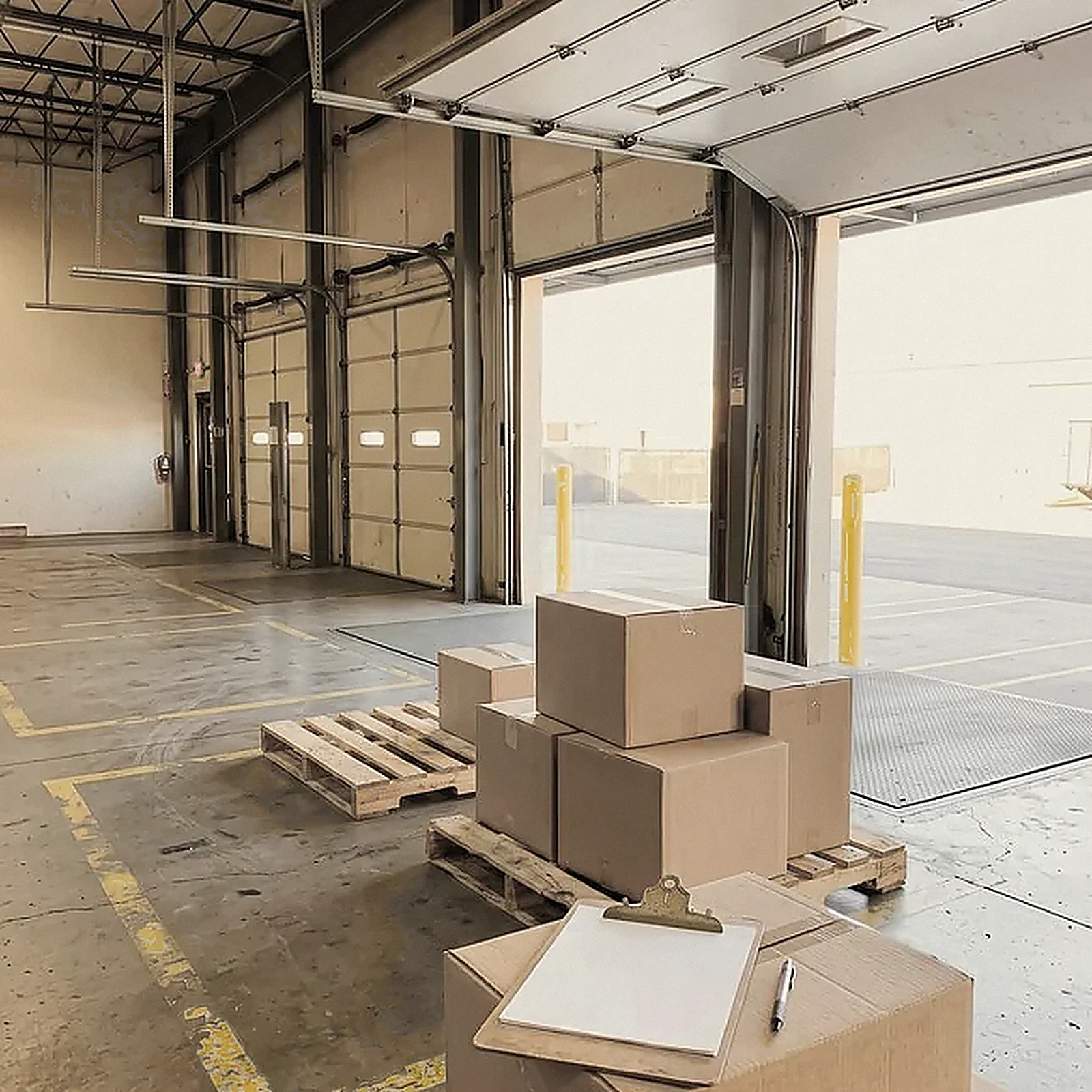
Packing and dispatch
Compare packed items and quantities with the expected order while there is still time to investigate and correct the exception.
 Route / Stop / Geofence / Alert
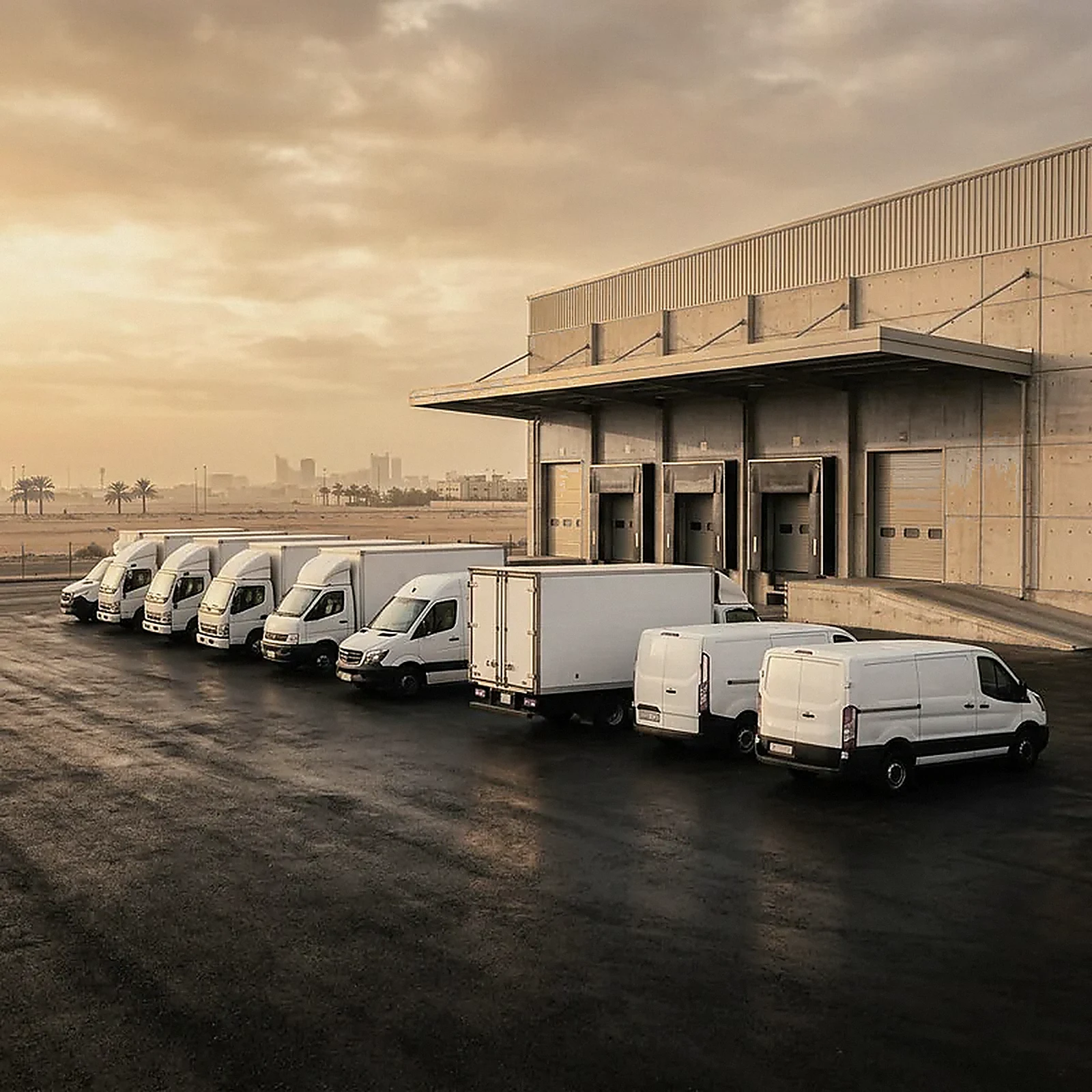
Fleet and field operations
Connect live position, journey history, routes, geofences and exceptions with the people and systems responsible for the next action.
Explore by industry
The solution foundation may be shared, but the problem, workflow and buying case must reflect the way each industry actually operates.
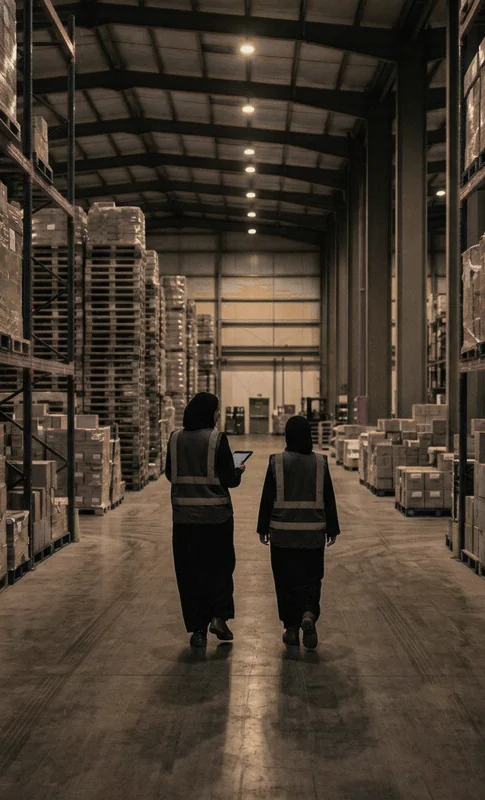
Receiving, location, order verification and dispatch control.
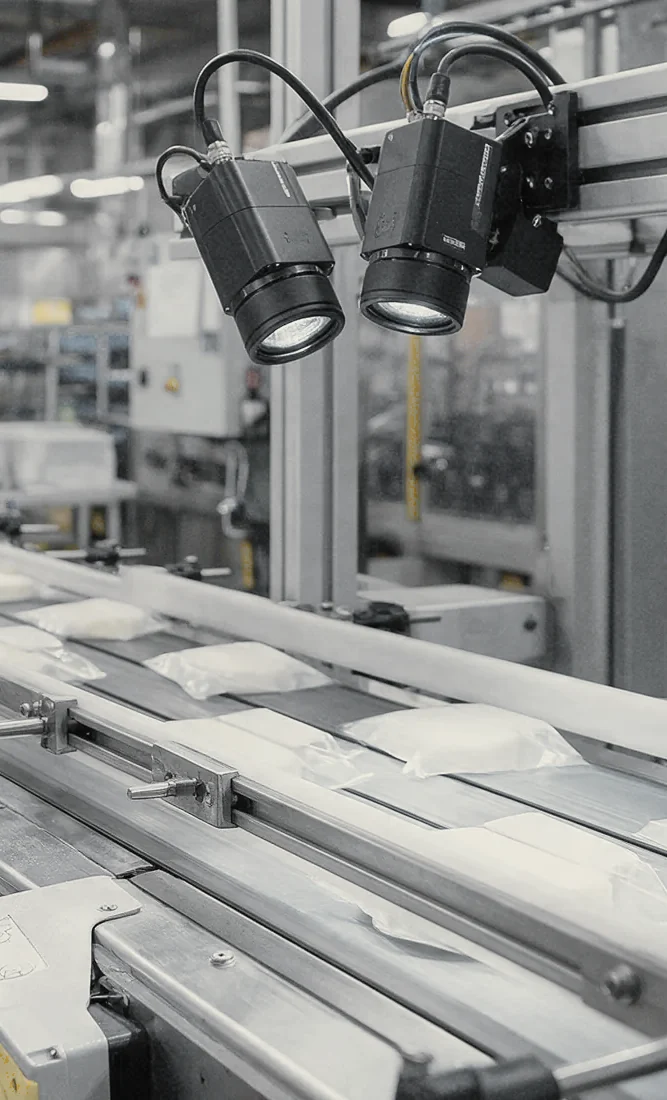
Materials, production progress, quality and finished goods.

Fabric rolls, lots, work in progress and export packing.
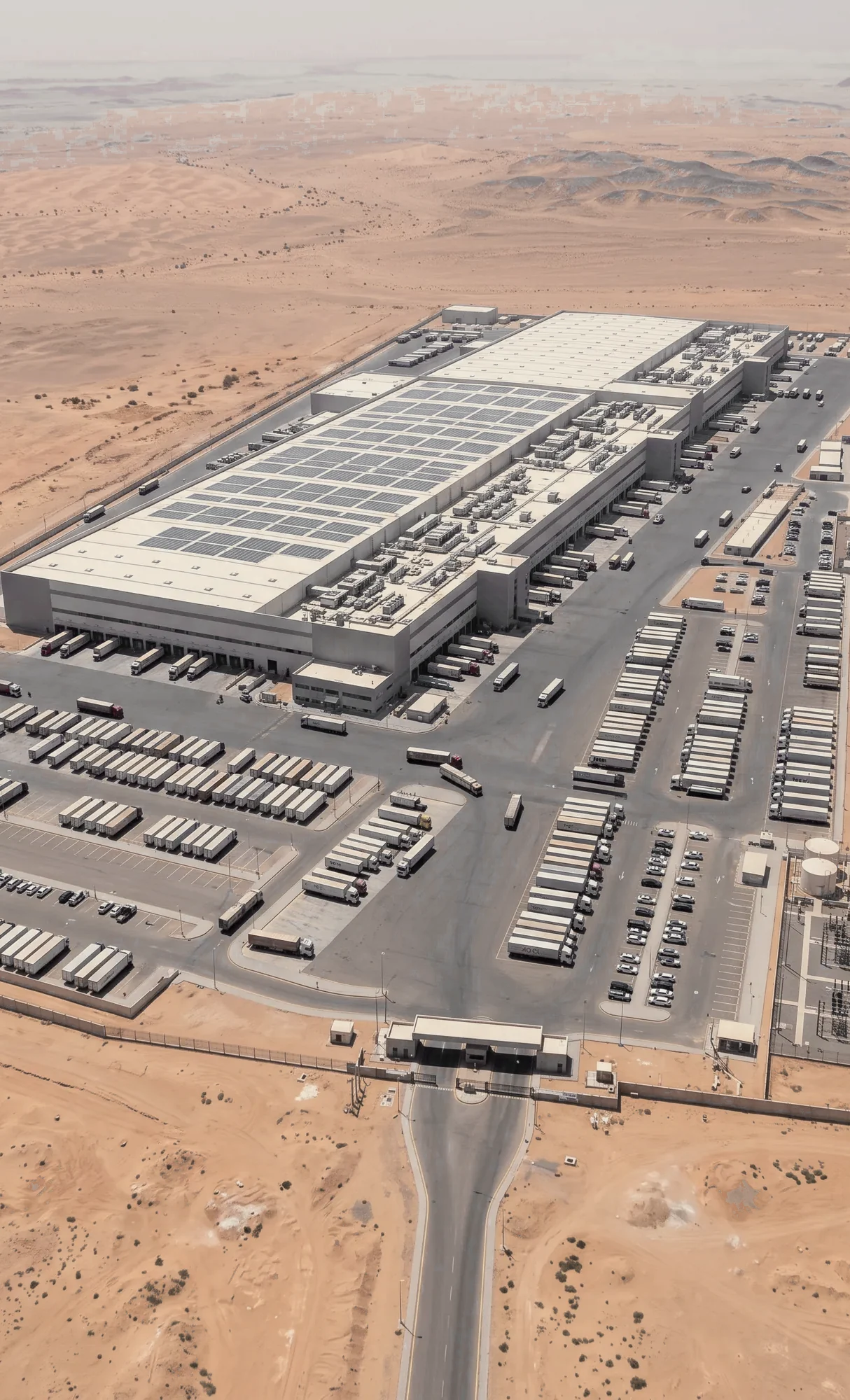
Vehicles, routes, mobile teams and operating exceptions.
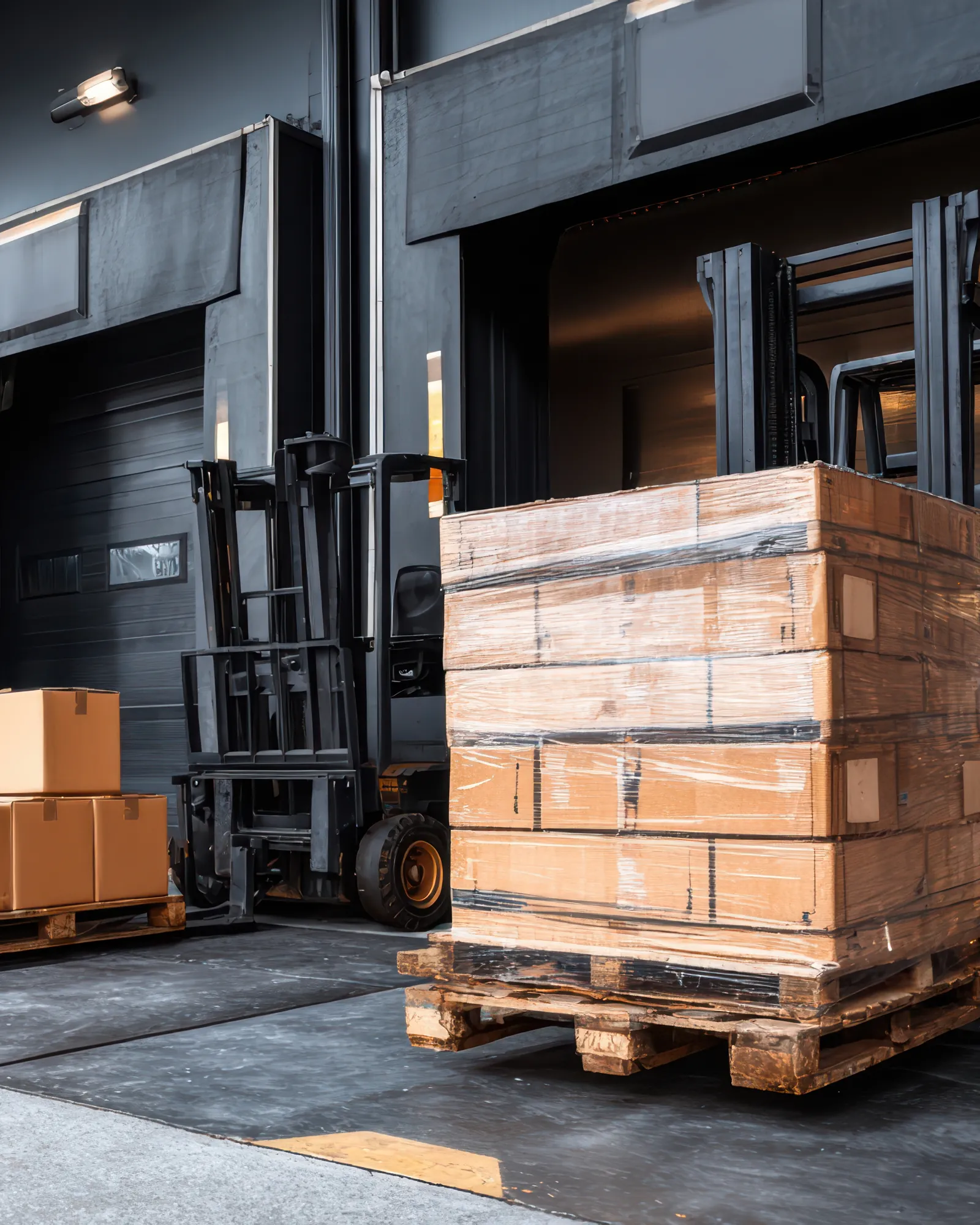
Resources
Videos, case material and practical references show how physical activity becomes a usable operational decision.
The cost of one wrong carton
A carton meant for Atlanta is loaded for Seattle. Follow what it takes to put right. The figures are hypothetical.
How Zorsan works
We do not begin with a reader, tag, camera or device. We begin with the event that must become visible and the decision that must follow.
Define the operational problem and who is responsible for it.
Examine volume, workflow, errors, systems and current controls.
Shape the process, technical architecture and integration.
Test the solution against agreed operational requirements.
Implement, integrate, train and establish acceptance.
Questions
Zorsan helps warehouses, factories, distributors and fleet operations find where movement, verification and operational records lose control, then implements practical connected solutions: RFID traceability, packing and dispatch verification, machine vision inspection, fleet and asset tracking, and the integration that connects them to existing systems.
Zorsan works with operations in Pakistan and Saudi Arabia.
No. Zorsan connects verified events to the systems you already use, with API integration to your ERP or WMS for master data, transactions and user roles.
With a focused first discussion about the workflow, the current gap and the point where control is lost. The technology is chosen after the workflow is understood: business problem first, technical architecture second.
A focused first step
Describe the operational area, current difficulty and systems already in place so the first discussion begins in the right place.