When a customer says a carton was short, a signed packing list or a photo of a sealed box proves very little. An item-level record made before sealing does.
13 Nov 2026 · 2 min read · Zorsan
"The carton was short." It is one of the hardest conversations in logistics, because everyone is right by their own record.
The WMS says the order was picked. The packer says the carton was full. The driver says he delivered what he was given. The customer says two items are missing. Nobody can prove what was actually inside.
What usually counts as proof
Most operations rely on one of three things:
A signed packing list. It proves that someone signed. It does not prove what was in the box.
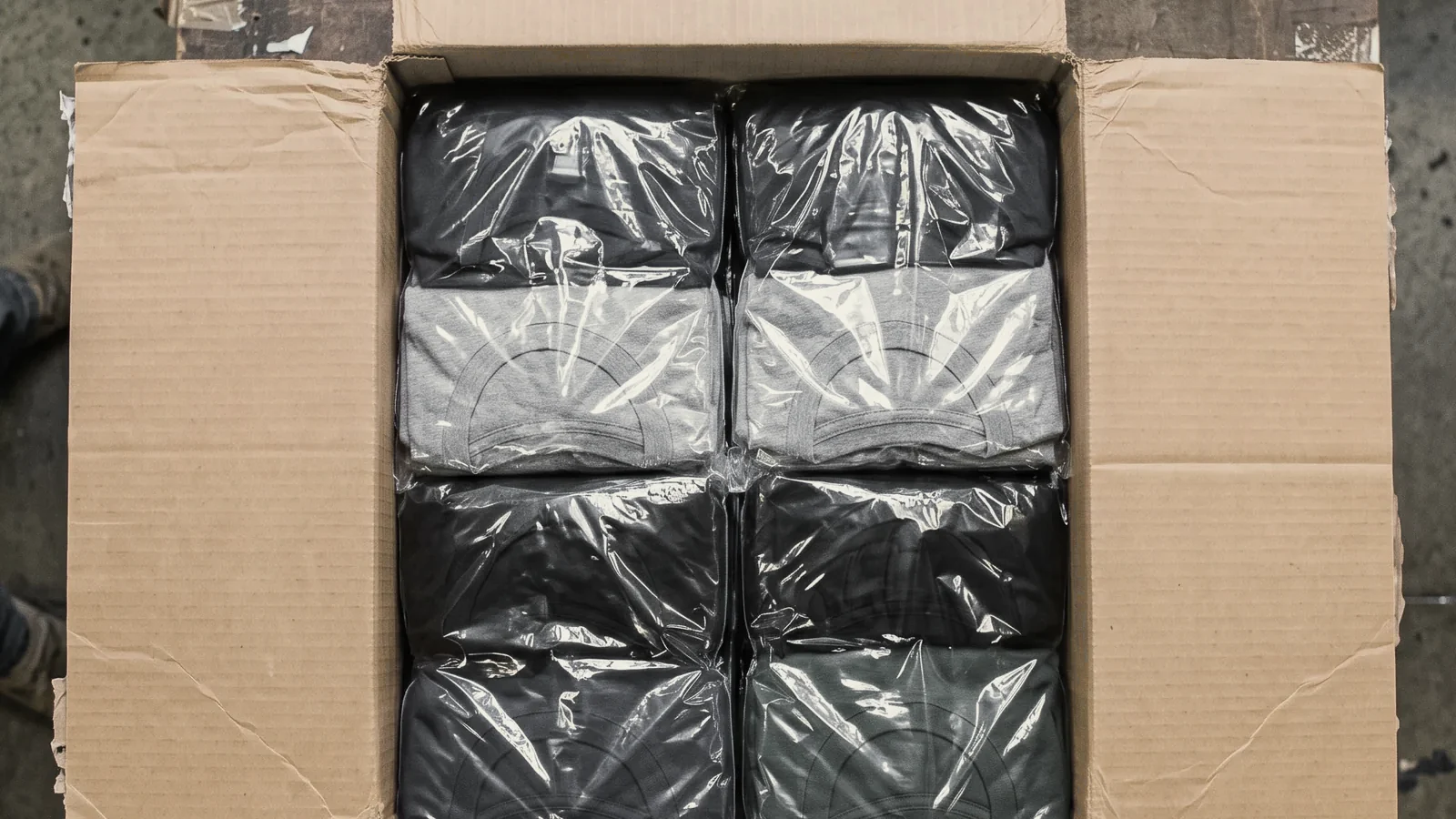
A photo of the sealed carton. It proves the carton existed and was sealed. It shows nothing inside.
A weight check. It catches a missing heavy item. It rarely catches a wrong size or a swapped colour.
So disputes are settled by negotiation, and the cost usually falls on the supplier.
Packing and dispatch
Every carton through one checkpoint.
Cartons move through the floor as they do today. At packing, each one is read against its order; the wrong one is held while it can still be corrected.
CheckpointHeld1 item missing · held
01Pickfrom the WMS
02Packevery carton read
03Seallabel printed
04Loadright vehicle
05Deliverwith a record
0 passed0 held at Pack
What real evidence looks like
Evidence that settles a dispute has three properties:
It is item-level. It lists every item in the carton, not just the carton.
It is made at the right moment: after packing, before the carton is sealed or loaded, when the contents can no longer change without someone noticing.
It is linked to the order and the shipment, so it can be retrieved in seconds when the question comes.
When each carton passes a verification point, at the packing table or through a reading tunnel before loading, the record is created automatically: carton number, order, every item read, time, and whether it matched. Accuracy at that stage can reach up to 99%.
What changes
Disputes are answered with a record, not a negotiation.
Real errors are caught before the truck leaves, so there are fewer disputes in the first place.
Accuracy can be reported to customers monthly, as evidence rather than an estimate.
For 3PL providers and exporters this changes the commercial conversation. "Our accuracy is high" becomes "here is the record for every carton you received."
The question
When a customer disputes a shipment today, what do you show them, and how long does it take to find?
Newsletter
Lessons from the floor, once a month.
One short read on where operations lose control and what it costs. No sales emails.