Ask what a wrong shipment costs and most teams quote the value of the goods. The real number is usually more than twice that, and it rarely appears on one line of the accounts.
13 Nov 2026 · 3 min read · Zorsan
Ask an operations team what an error costs, and the answer is usually the value of the goods. A carton of $500 went to the wrong customer, so the error cost $500.
That is rarely the real number.
Follow one wrong shipment
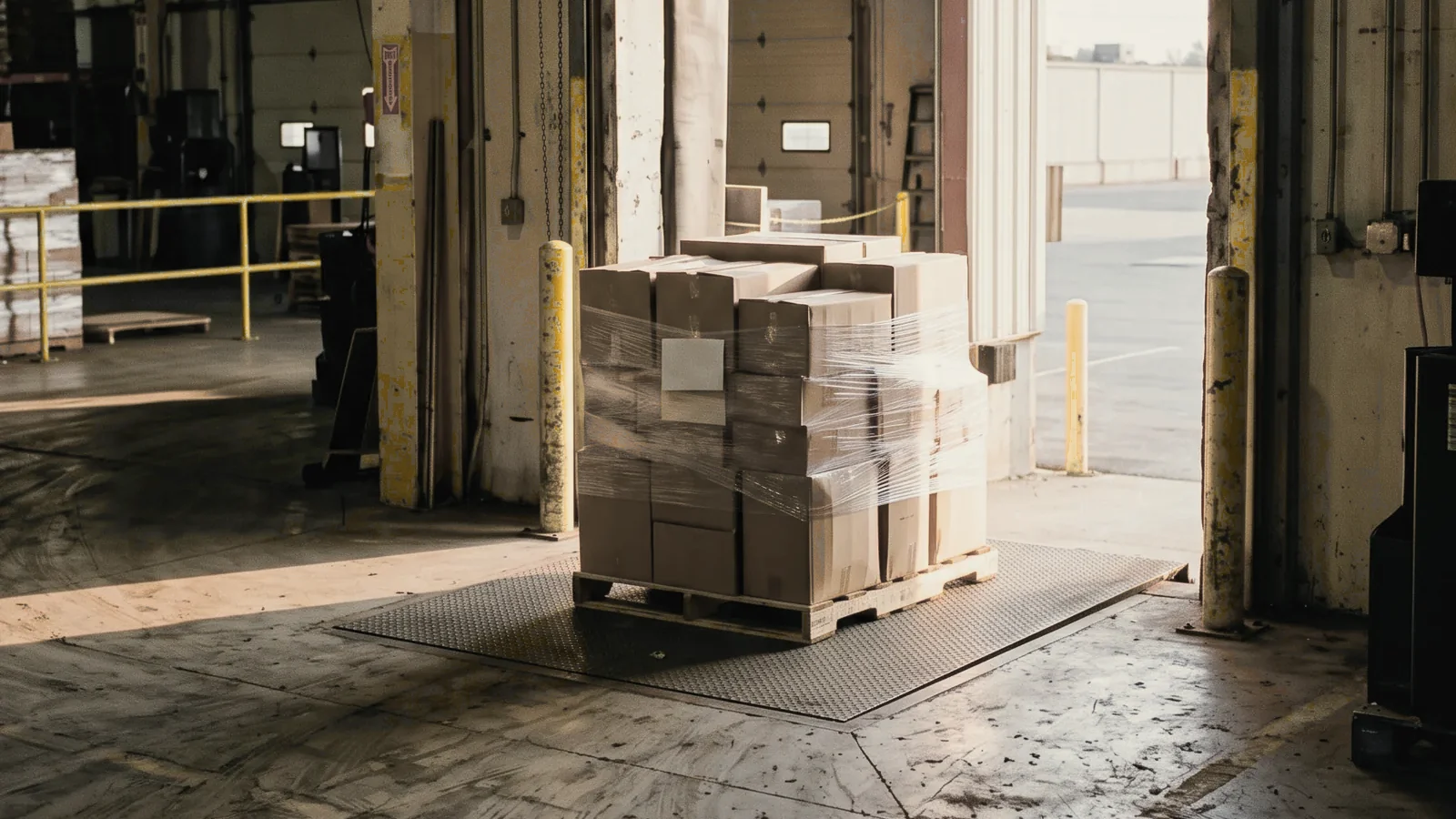
Take a single carton that leaves the dock with the wrong contents. Here is what follows, in the order it usually happens:
The complaint. The customer calls or emails. Someone in customer service logs it and passes it on.
The investigation. Two departments and often two shifts try to reconstruct what happened. The pick was right on screen, so the search moves to packing, then loading.
The replacement. The right goods are picked, packed and delivered again, on a vehicle that was planned for something else.
The collection. The wrong goods are collected, checked and put back into stock, if they can be.
The penalty. Many contracts carry a service-level penalty or a credit note for every wrong delivery.
The trust. The customer starts checking every delivery you send. That costs them time, and it changes the relationship.
The arithmetic
Follow one wrong carton to its real cost.
Hypothetical figures. Replace them with your own.
Goods in the carton$500
Investigation, two people, two hours$200
Re-delivery and collection$350
Restocking and handling$100
Penalty or credit note$150
Real cost of one error$1,300
A simple illustration
The numbers below are assumptions. Replace them with your own.
Goods in the carton: $500
Investigation, two people for two hours: $200
Re-delivery and collection: $350
Restocking and handling: $100
Penalty or credit note: $150
The error costs $1,300, or 2.6 times the value of the goods. And that is before anyone puts a price on the customer who now checks every delivery.
Why it stays invisible
Each of these costs sits in a different budget. Transport sees an extra trip. Customer service sees a ticket. Finance sees a credit note. Nobody sees the whole chain, so nobody adds it up.
Most organisations measure their error rate. Very few measure the cost of one error. Multiply the two, and the case for fixing it usually makes itself: 200 errors a month at $800 each beyond the goods is $160,000 a month that never appears as one line.
Where to start
Pick one month and one site. Count the errors. Then follow five of them through every department and write down what each one cost. That single exercise often changes the conversation with management, because it turns an operational nuisance into a number.
The fix itself usually sits at the handover where the error enters: a check at packing, before the carton is sealed, catches it while it can still be corrected for the cost of a minute.
Newsletter
Lessons from the floor, once a month.
One short read on where operations lose control and what it costs. No sales emails.