Projects that start by choosing a technology often end with devices in a drawer. The right first question is where the check must happen and what it must prove.
13 Nov 2026 · 2 min read · Zorsan
"Should we use barcode or RFID?" It is often the first question in a technology conversation, and it is usually the wrong place to start.
The projects that disappoint tend to start with a product: "we need RFID", "we need a new WMS". Six months later the devices are in a drawer. The technology worked. The project started in the wrong place.
Start with what you need to prove
The right first questions are about the operation:
Where must the check happen? At packing, at the dock, at the store door, between production stages?
What must it prove? That the count is right, that the right item is in the right carton, that nothing left without a record?
How fast does it need to be? One carton a minute at a table, or forty a minute on a conveyor?
Who acts on the result, and where? On a screen at the point of work, or in the ERP?
Once those answers are clear, the technology choice is often obvious, and sometimes simpler than expected.
Choosing the technology
Each one answers a different question.
The right choice depends on what must be proved, and where.
01
Barcode
One item at a time, at very low cost
FromTyping codes and counting by eye
ToA scan at the packing table checks each item
In practice
Every item in a carton matched to its order.
02
RFID
Many items at once, without opening anything
FromOpening cartons to count
ToA sealed carton read in a second or two
In practice
A whole store counted in an hour, not a night.
03
Machine vision
Whether it looks right
FromInspectors checking a sample
ToA camera checking every item at line speed
In practice
The wrong label stopped after a few units.
04
Telematics and IoT
Where it is and what state it is in
FromPhone calls to drivers
ToPosition, stops, temperature and doors as events
In practice
The late stop known before the customer calls.
The objectiveThe right checkat the right handover
When each one fits
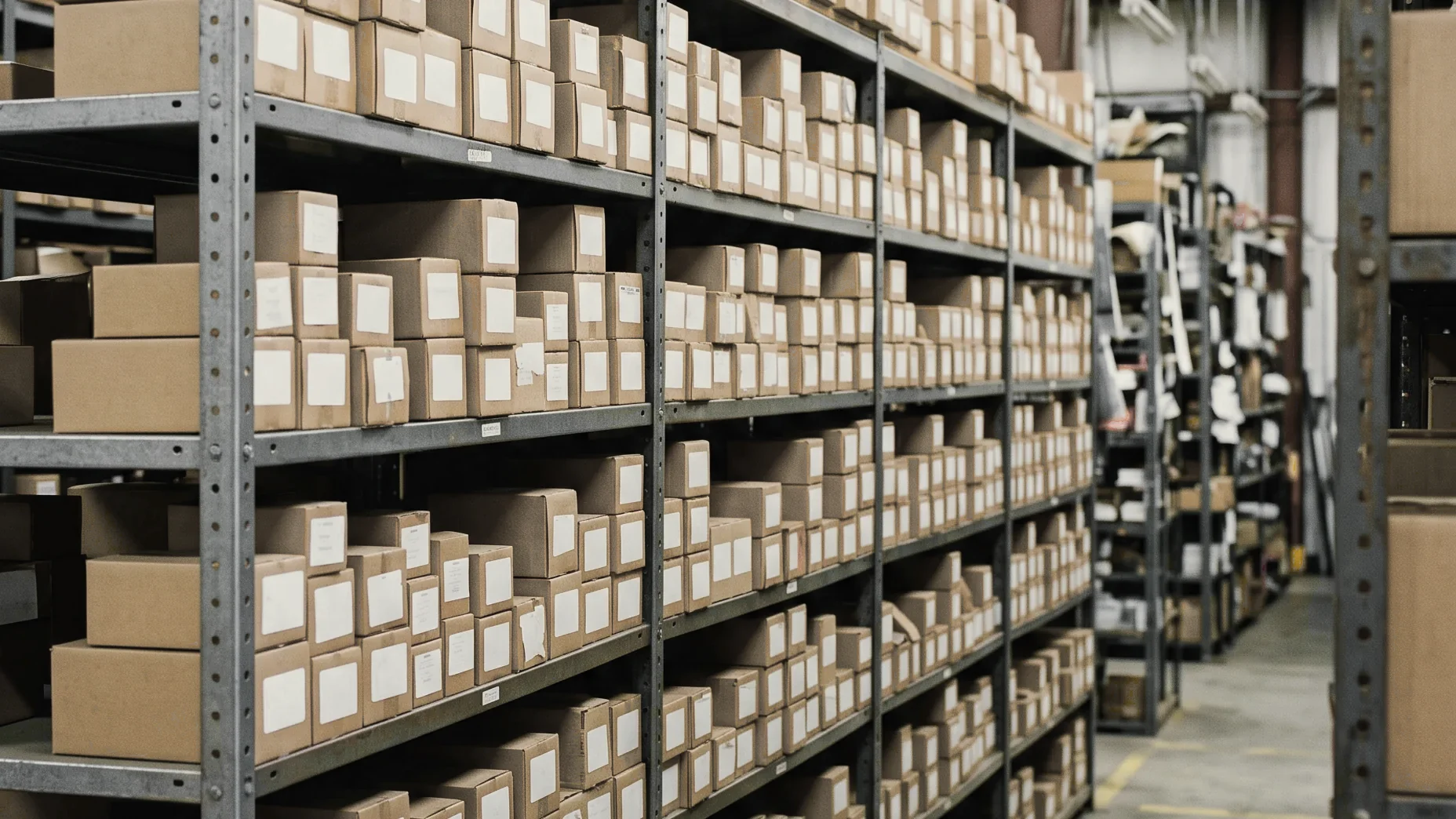
Barcode is excellent when items pass one at a time, someone is already handling them, and line of sight is easy. It is inexpensive and almost every system already supports it. A scan at the packing table, for example, can verify each item against the order at very low cost.
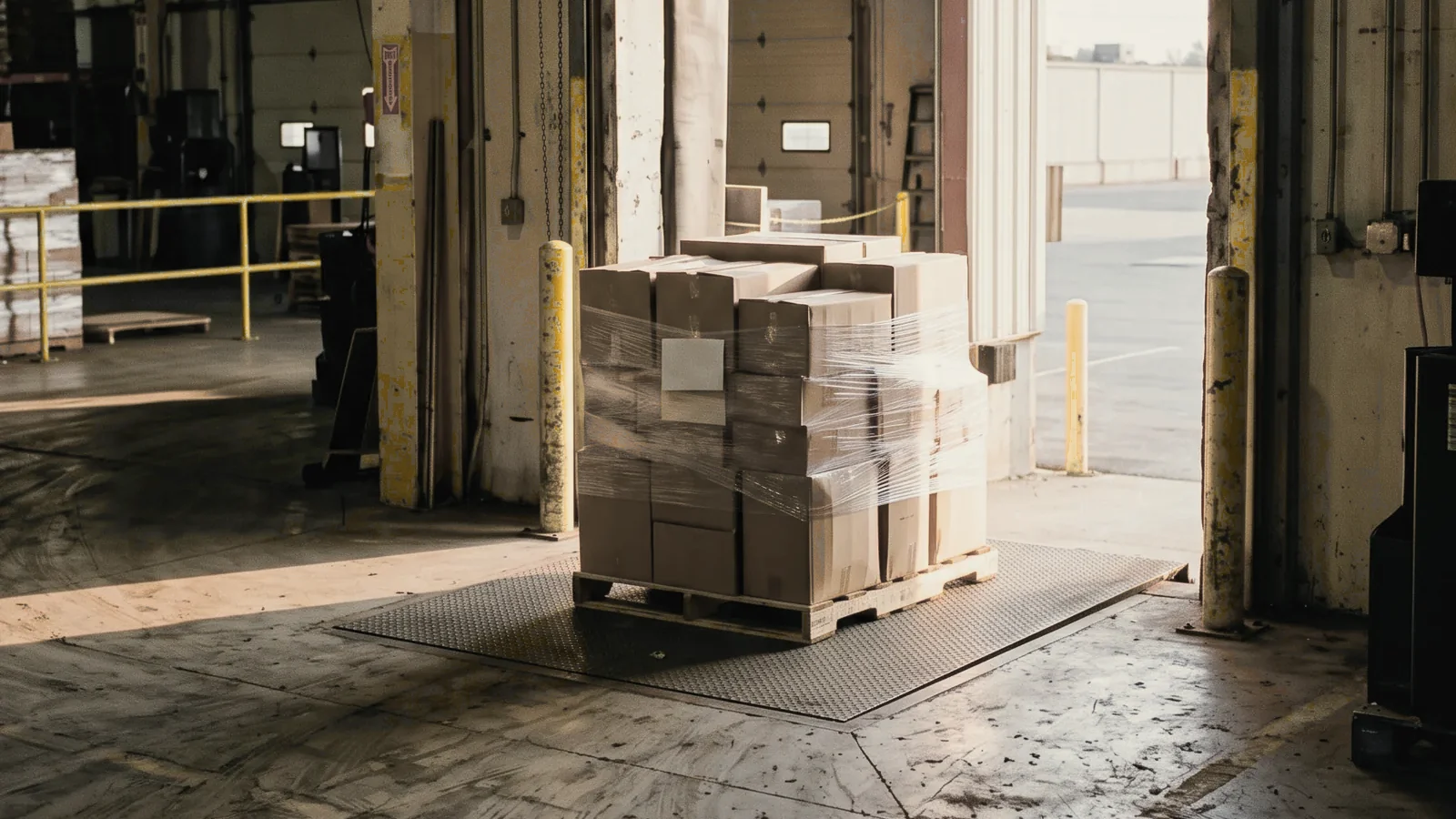
RFID fits when many items must be read at once, without opening cartons or lining things up: a sealed carton passing through a tunnel, a rack of fabric rolls read in one pass, a whole store counted with a handheld in an hour. It costs more per item, so it pays where speed and volume matter.
Machine vision fits when the question is about appearance: is the label right, is the seal intact, is the product defective?
Telematics and IoT fit when the thing that matters is moving or changing state: a vehicle, a trolley, a temperature.
Many operations use more than one, each at the checkpoint where it fits best.
The test
If you cannot say in one sentence what a technology must prove and where, you are not ready to choose it. When you can, the choice usually takes care of itself.
Newsletter
Lessons from the floor, once a month.
One short read on where operations lose control and what it costs. No sales emails.