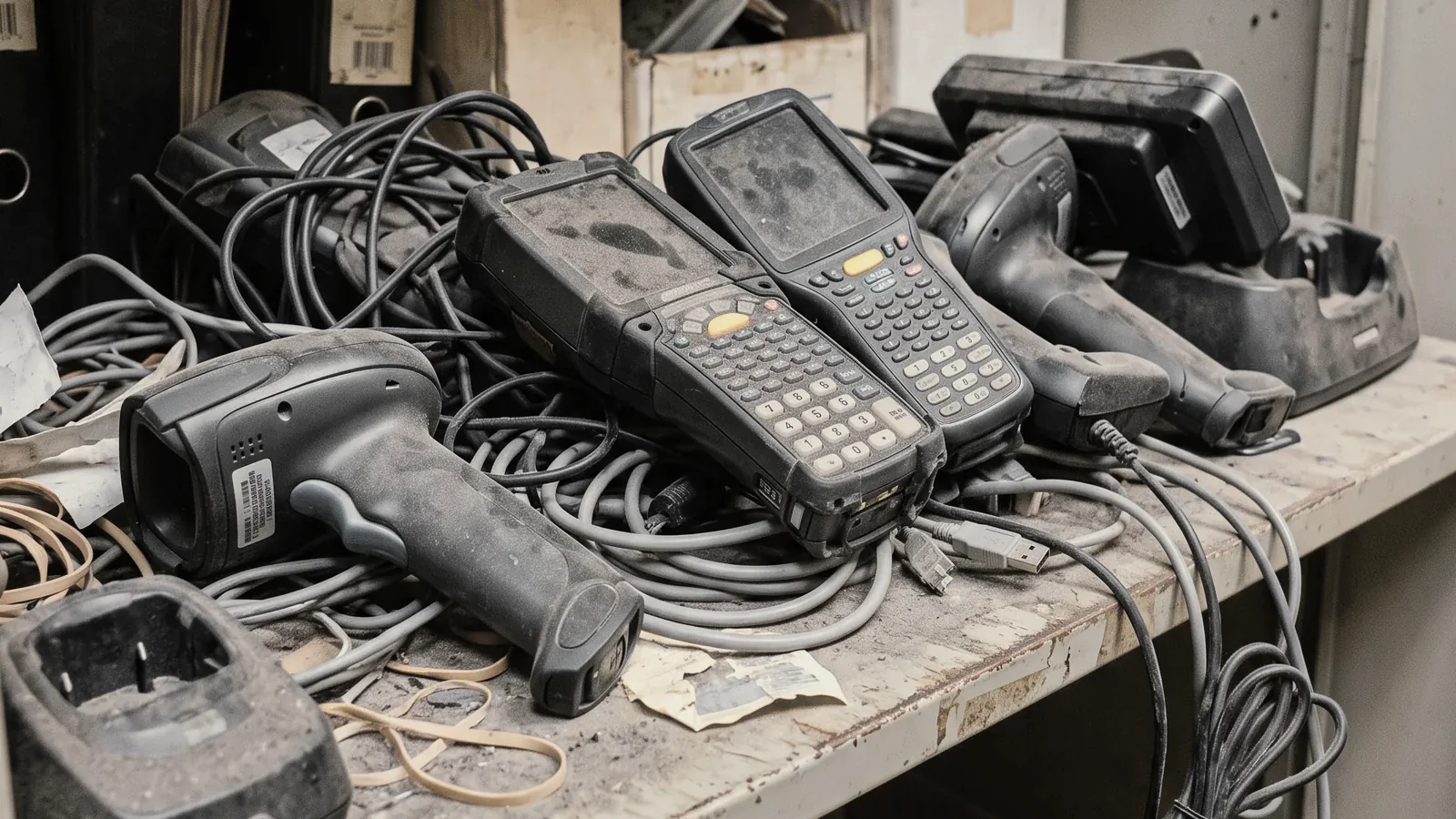
Tracking projects that work perfectly can still change nothing, when the data lands on a screen of its own instead of in the ERP, WMS or POS where decisions are made.
13 Nov 2026 · 2 min read · Zorsan
Some technology projects work perfectly and change nothing.
The readers read. The cameras see. The dashboard is full of data. And the people who run the operation keep working from the ERP, because that is where orders, stock and invoices live. The new screen becomes one more place to check, and after a few weeks nobody checks it.
Why it happens
The project was scoped around the device: install readers, show reads on a dashboard. Connecting to the core system was left for "phase two", which was never funded.
So the record of what physically happened lives in one place, and the record the business runs on lives in another. The gap the project was meant to close is still there, now with a screen on top of it.
Integration
The read is the start. The decision is the point.
Each layer writes into the one above, so the people who decide work from what actually happened.
Decisionsreplenish, release, invoice, plan
Your core systemsERP, WMS, POS, MES
Exceptions and confirmationsonly what someone must act on
Verified eventseach read checked against what was expected
Devicesreaders, cameras, gates, vehicles
Where the value actually is
Visibility creates value only when it reaches the system where decisions are made:
A verified store delivery that updates stock in the POS, so replenishment works on real numbers.
A dispatch check that confirms the order in the WMS, so customer service can answer with evidence.
A defect found on the line that holds the batch in the MES, before it reaches packing.
A transfer read at the gate that closes the movement in the ERP, without anyone typing it.
An exception that reaches the person who can act on it, by alert, while they still can.
What good integration looks like
It writes into the existing system, through its standard interfaces, not a parallel database people must reconcile by hand.
It respects the existing process. People keep working in the screens they know; the new data simply makes those screens right.
It sends exceptions, not everything. Ten thousand reads a day are not information. The three that did not match are.
It is planned from the start, as the purpose of the project, not as the last step.
The question
Where do your operational records end up today: in your core system, or on a screen of their own?
Newsletter
Lessons from the floor, once a month.
One short read on where operations lose control and what it costs. No sales emails.