Live location
See current position, movement and operating status across the tracked environment.
 Discuss a requirement
Zorsan tracking solutions
Track vehicles, workforce and mobile assets through live location, alerts, history, geofencing and connected workflows.
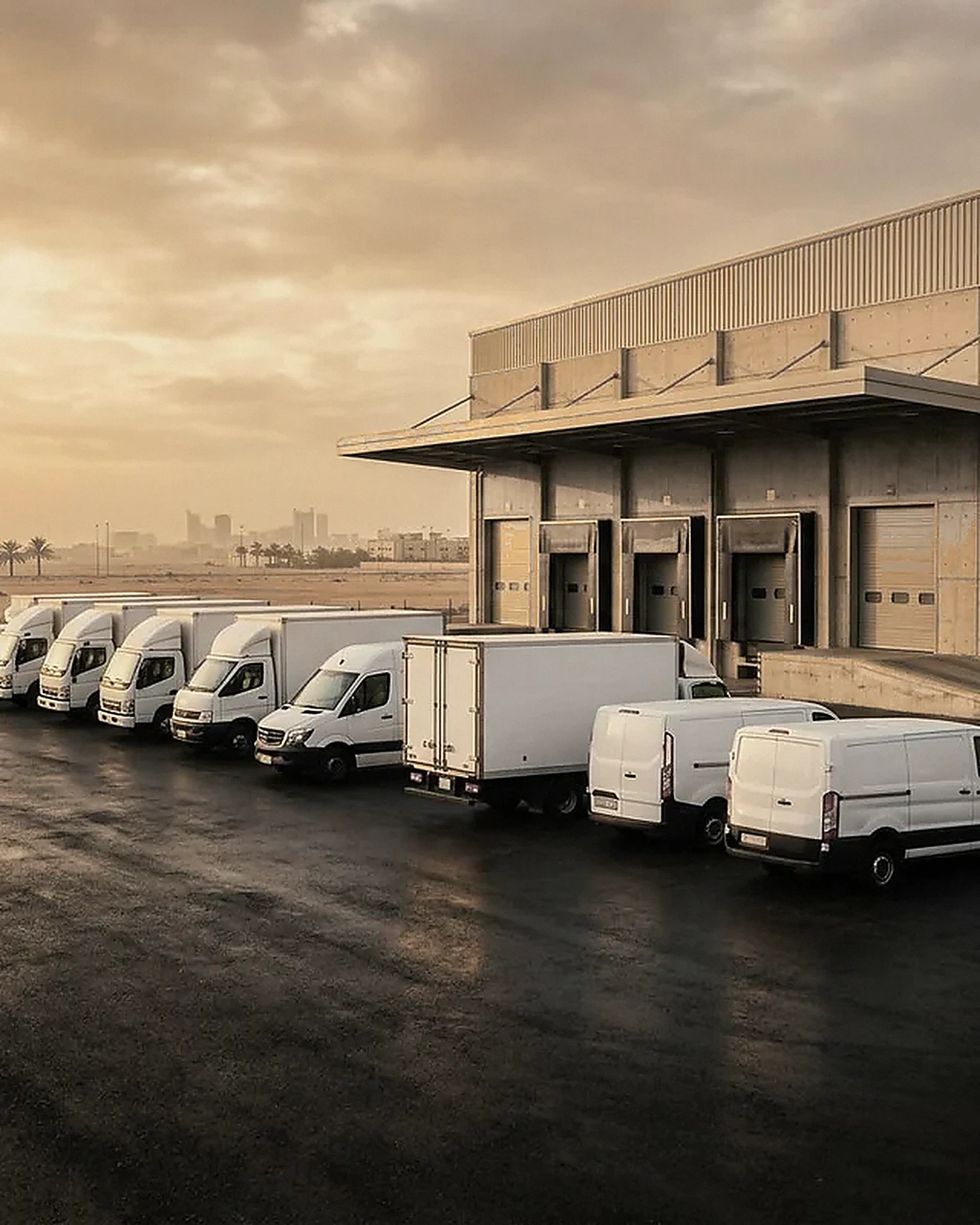
Fleet and asset tracking platform
Zorsan fleet and asset tracking brings fleet management, workforce visibility and mobile asset tracking into one platform.
See current position, movement and operating status across the tracked environment.
Review routes, stops, timing and previous movement when evidence is needed.
Recognise arrival, departure and dwell events around operational locations.
Bring attention to route, timing, movement and device conditions that need action.
Support operational review through utilisation, activity and movement reporting.
Exchange useful tracking events with operating and business applications.
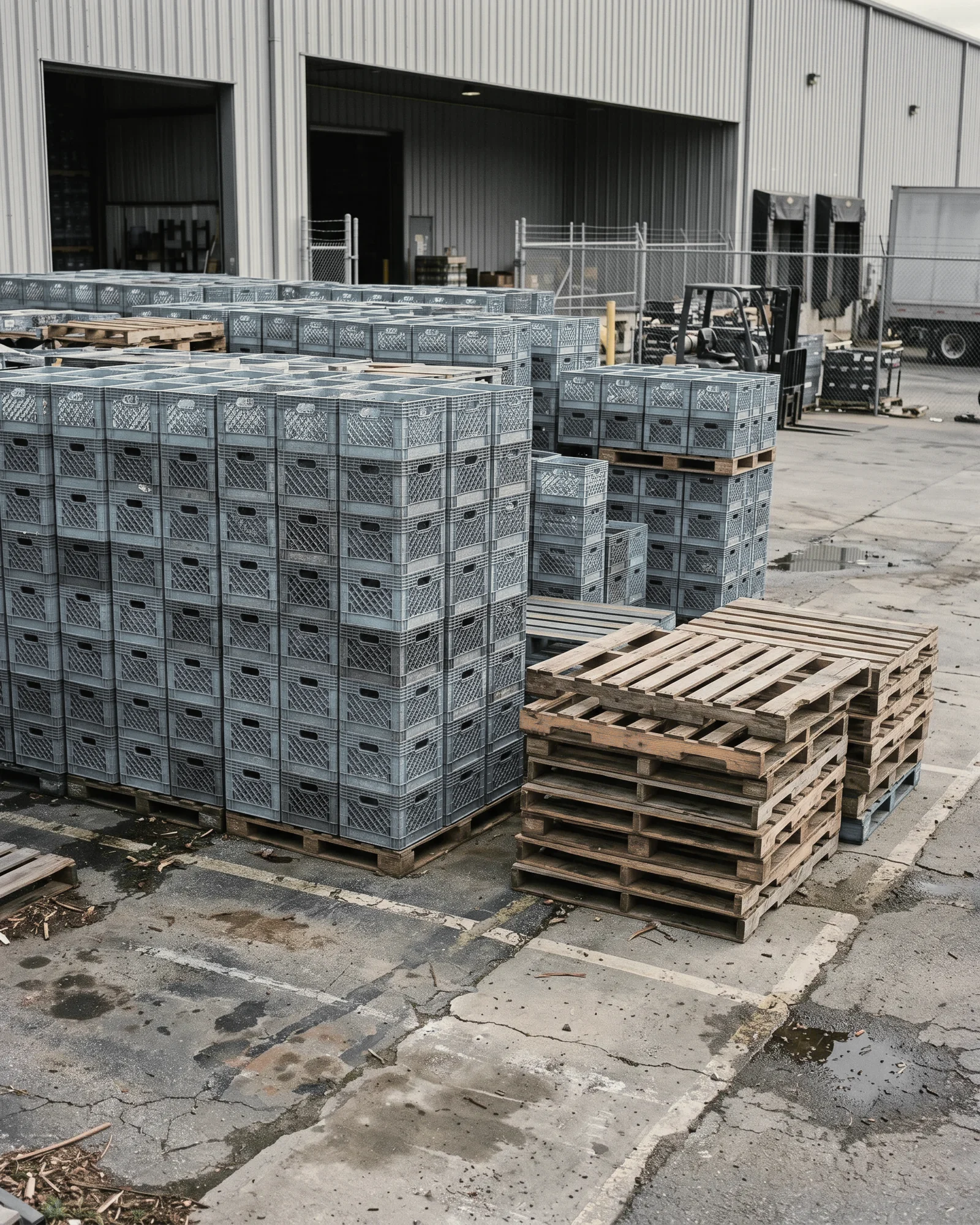
Where tracking applies
The same tracking foundation can be shaped around fleet management, field teams, service vehicles, school transport and mobile equipment.
From device to decision
The value comes from reliable devices, connectivity, rules, alerts and integration working together.
Use suitable GNSS, cellular and telematics devices around the moving object.
Convert raw location into journey, stop, route and geofence events.
Identify the changes that deserve attention from the operating team.
Deliver the event to the right person, workflow or business system.
Fleet
A fleet control room in Riyadh. Every vehicle is a dot on the map.
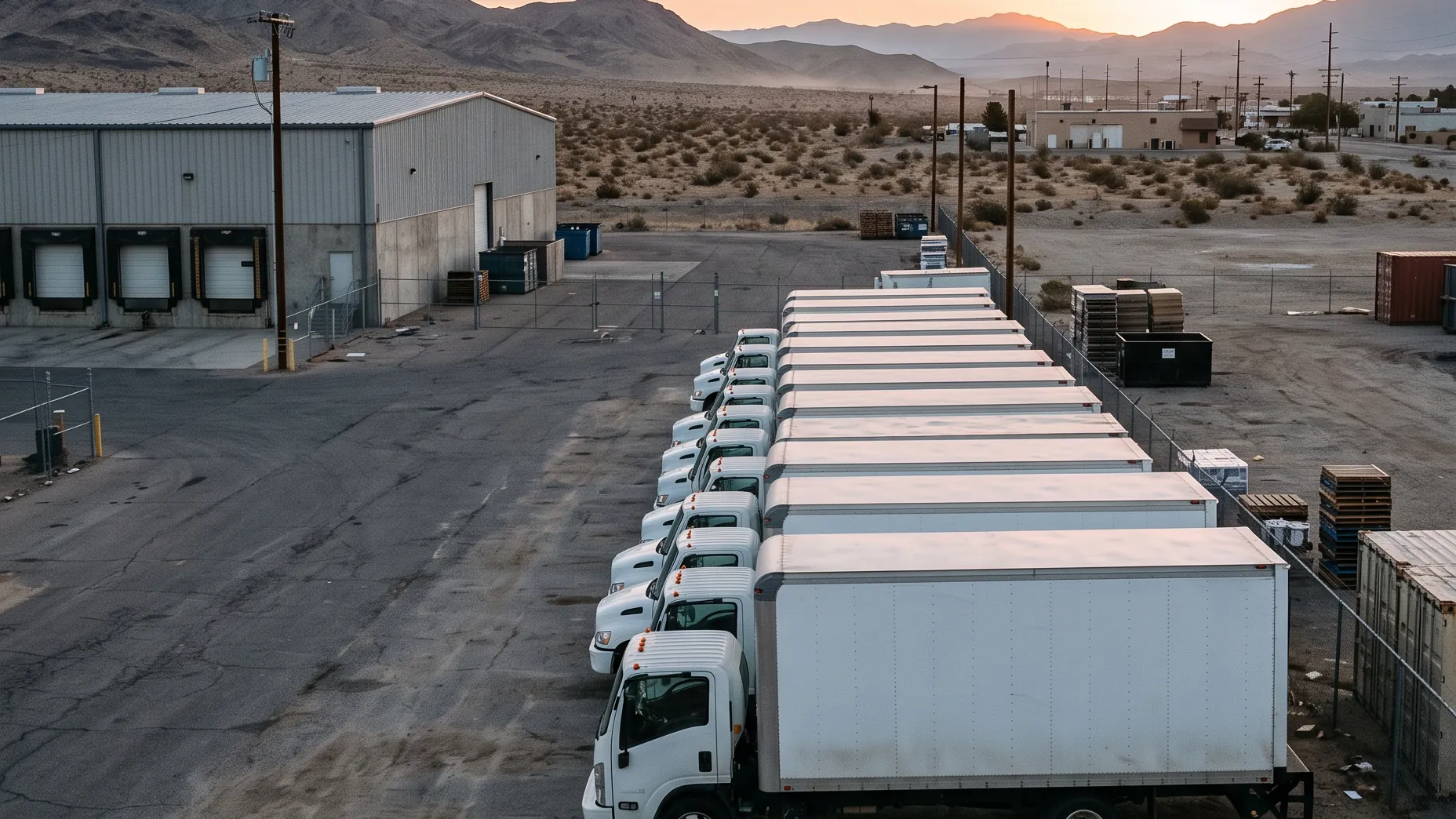
Reads at loading and drop-off turn the dot into a delivery record.
Fleet and mobile assets
Each stage of a delivery day is compared with the plan, so the exception reaches the dispatcher first.
Stops and time windows come from your order system.
600 stops planned for 40 vehicles.
The right load on the right vehicle.
The wrong cage stopped at the dock.
The vehicle leaves on time, or the delay is visible.
A late start flagged at 07:40.
Arrival and dwell compared with the window.
A 50-minute wait at one customer.
Proof of delivery recorded at the stop.
A disputed delivery answered in minutes.
Returnable assets checked back in.
Pallets on loan, by customer.
Scenarios
Two situations from fleets and mobile assets. The numbers are assumptions; replace them with your own.
Scenario 1
A distributor runs 40 vehicles making 15 stops a day across Riyadh.
Vehicles have GPS, but the dispatcher learns about late or missed stops from customer calls the next morning. Proof of delivery comes back on paper days later.
The route plan comes from the order system. Each stop is compared with its time window, long dwell times and skipped stops raise an alert, and proof of delivery is recorded at the stop.
600 stops a day with 3% exceptions is 18 a day. Knowing about them as they happen lets the dispatcher call the customer first, instead of the other way round.
Scenario 2
A manufacturer ships goods on 2,000 returnable pallets and cages.
Assets leave full and come back sometimes. Nobody knows which customer holds how many, so lost assets are simply replaced.
Each asset carries a tag read at the dock on the way out and on return. The record shows which customer holds which assets and for how long.
Losing 5% of 2,000 assets a year is 100 to replace. With a record per customer, most of them can be recovered or charged.
In practice
Tracking becomes useful when each movement is compared with a plan: the route, the time window, the expected stop. The map shows where a vehicle is; the comparison shows whether it matters.
Where goods are sensitive, vehicles also report temperature, door openings and shocks, so the condition of the load is part of the delivery record.
The dispatcher does not need every position update. They need the late stop, the long wait and the open door, as they happen, with the order they affect.
Questions
Live location, journey history, geofencing with arrival, departure and dwell events, alerts, utilisation and activity reporting, and integration with operating and business applications.
Fleet management, field teams, service vehicles, school transport and mobile equipment, on one tracking foundation.
Suitable GNSS, cellular and telematics devices chosen around the vehicle or asset being tracked.
Yes. Events are delivered to the right person, workflow or business system, so the team acts on the change rather than watching a map.
Fleet and asset tracking
Share the moving operation, the current gap and the action the platform must support.