Tags and labels
Choose the identity format around the material, environment and expected life.
 Discuss a requirement
RFID and operational identity
Trace products, cartons, pallets, materials and assets through the process events that matter.
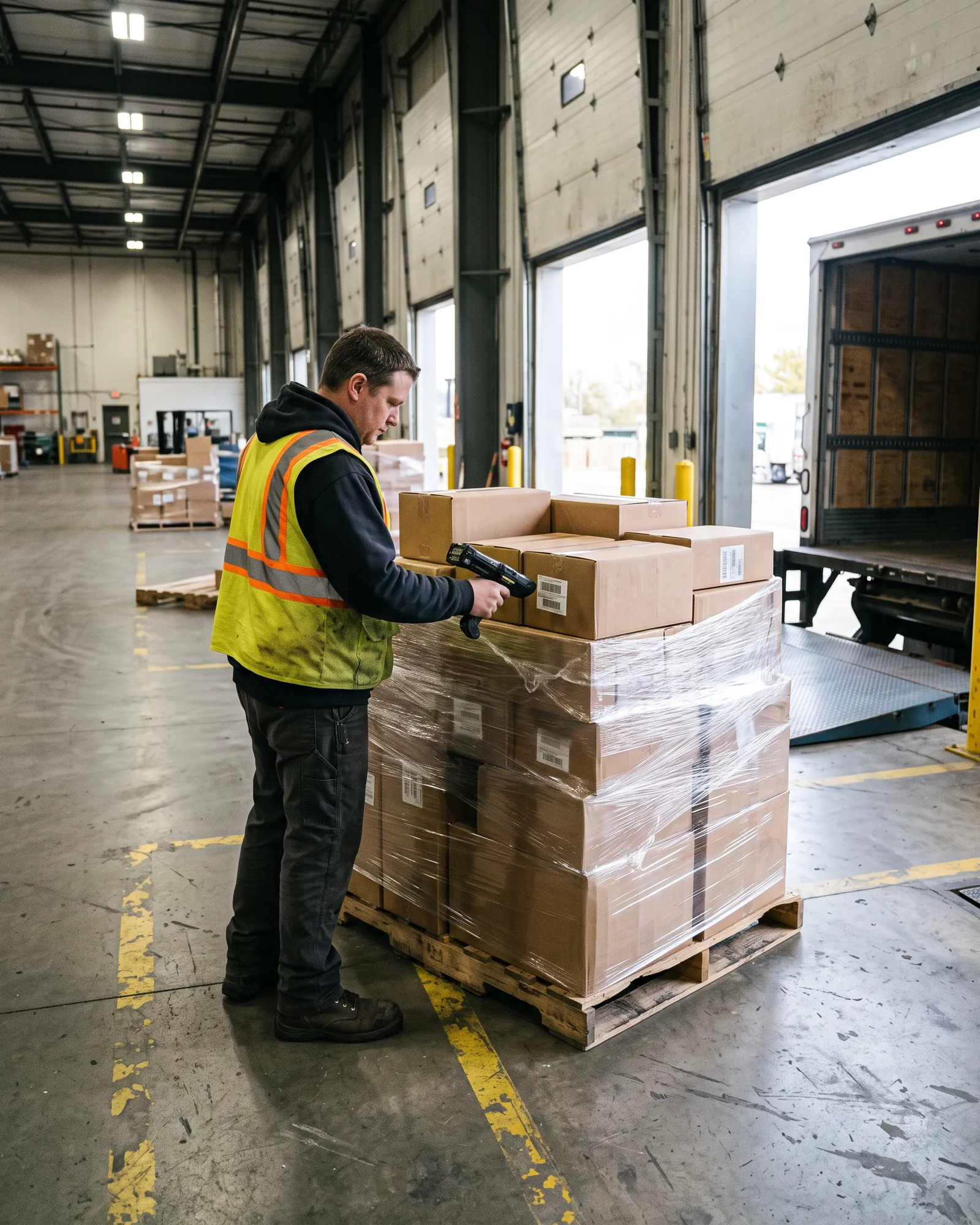
Identity through movement
A useful traceability system connects identity to time, location, process and responsibility. This creates evidence across the operating flow.
Associate the item, batch, carton, pallet or asset with a reliable digital record.
Record passage through production points, packing areas, stores and dispatch.
Connect each read to a location, process step and expected outcome.
Present history, exception and status information to the relevant system or team.
Where traceability applies
The same architecture can support apparel, food, agriculture, manufacturing, distribution and other operations where reliable history matters.
Solution components
Tags and readers are only part of the solution. Reliability depends on the physical process and the systems around it.
Choose the identity format around the material, environment and expected life.
Capture events at the point where movement becomes operationally meaningful.
Filter reads, manage device logic and keep local operations responsive.
Connect item identity with process, history, status and exceptions.
Exchange useful information with ERP, WMS and other operating systems.
Show movement history, gaps and control points without unnecessary complexity.
Tags and encoding
Tags are applied and encoded at the point of manufacture, so every item carries its identity from day one and nothing needs re-tagging downstream.
RFID labels applied during production, not added later, with a unique ID for every item.
We encode and print tags and deliver them ready to apply, or supply tags to your own encoding line.
Each tag is checked before it reaches the line, because one mis-encoded tag breaks the record.
Item-level identity supports product passport, sustainability and circularity requirements.
Logistics and distribution
Shipments are re-verified at every handoff against what left the factory, so the stretch between dispatch and destination is no longer a blind spot.
Warehouses, distribution centres and checkpoints each confirm the shipment against the dispatch record.
The same trusted data follows the goods to a store or a customer’s door.
Dispatch, transit and delivery are recorded against the same identities.
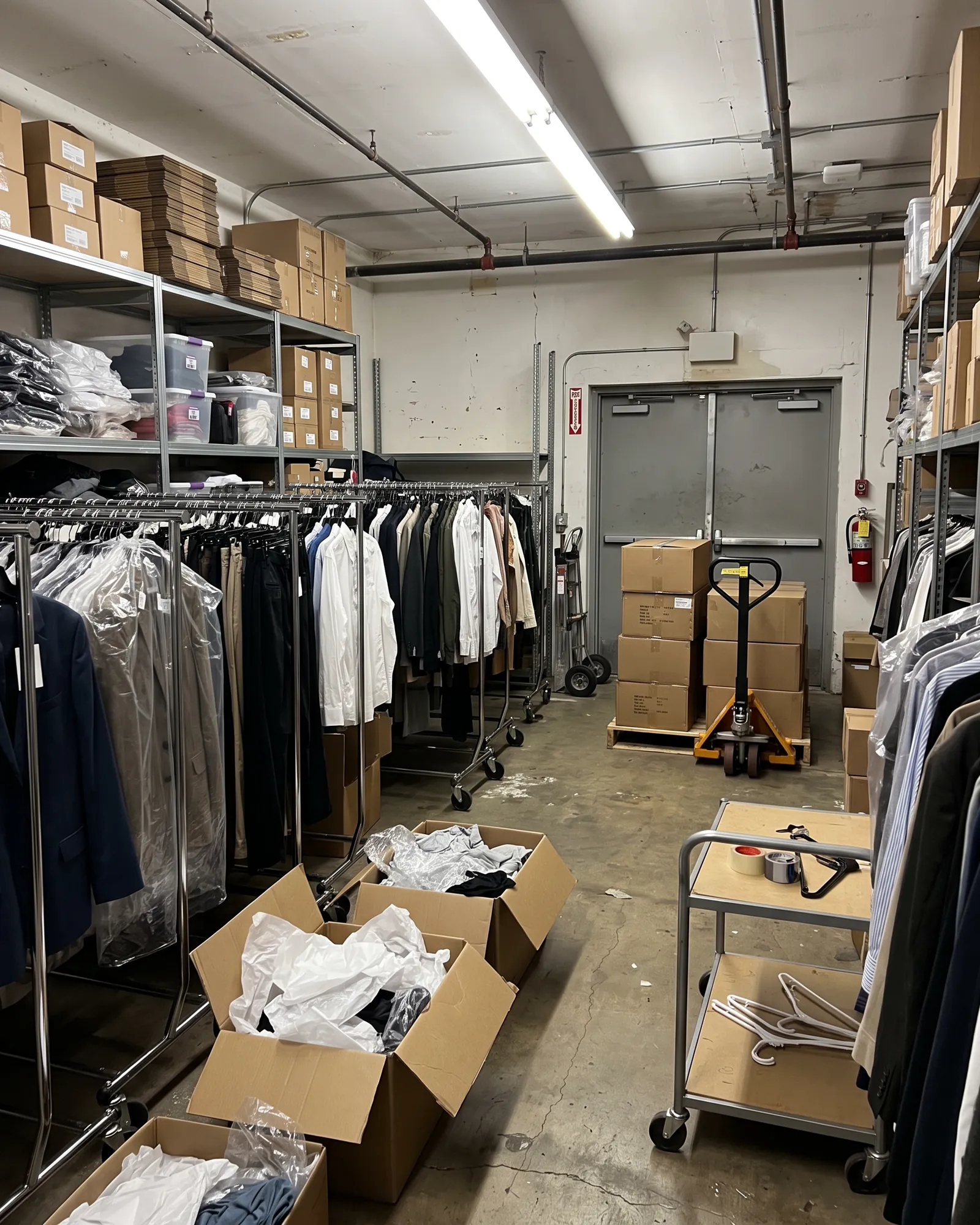 Arrival / Shelf / Checkout
Retail readiness
From the first tag to the customer’s hands, one chain of custody, verified at every step.
Retail · store stock
A fashion store in Riyadh, Saturday afternoon. A customer asks for jeans in size 32.

Five pairs exist only on a screen. They entered the record at a handover nobody checked.
Store stock
A handheld count compared with the store record. Each difference is a sale that may be lost, or a replenishment that never happens.
| Item | System says | On the floor | Difference |
|---|---|---|---|
| 001Jeans 32 · blue | 24 | 21 | −3 |
| 002Jeans 34 · blue | 18 | 18 | ✓ |
| 003Shirt M · white | 40 | 37 | −3 |
| 004Shirt L · white | 32 | 32 | ✓ |
| 005Jacket M · black | 12 | 9 | −3 |
| 006Dress S · red | 15 | 15 | ✓ |
| 007Shoes 42 · brown | 8 | 8 | ✓ |
3 of 7 records do not match what is physically there.
Custody
Responsibility moves from party to party. The record has to move with it.
Shrinkage or paperwork
An illustration. Without item-level records nobody can split the number, so the fix is aimed at theft while part of the loss is paperwork.
Read deliveries and transfers at item level, and what is left is real theft.
Scenarios
Two situations we see often in retail and distribution, with the arithmetic behind them. The numbers are assumptions; use your own.
Scenario 1
A retailer with 30 stores receives weekly deliveries from its distribution centre. Stores sign for cartons without opening them, and count every item once or twice a year.
Customers ask for sizes the screen shows as available. Staff search the back room and give up. Because the system believes the stock is there, nothing is replenished.
Items carry a tag from the distribution centre. Deliveries are read at the store door, stores count with a handheld in an hour instead of a night, and the checkout reads every tag. The record stays right between counts.
If 3 sizes per store show as available but are missing, and each would sell twice a week, that is 6 lost sales a week per store, more than 9,000 a year across 30 stores.
Scenario 2
A distributor transfers stock daily between warehouses in Riyadh, Jeddah and Dammam.
Transfers are sent on paper and confirmed by hand on arrival, when someone has time. Some stay "in transit" for weeks. Monthly counts show differences nobody can explain.
Pallets carry a tag and every dock has a reading gate. Each movement is recorded with time and direction, compared with the transfer plan, and closed in the ERP automatically.
At 40 transfers a day, if 1 in 50 is never confirmed, that is nearly 300 open transfers a year, each a small gap between two stock records.
In practice
Traceability is only as good as the first record. Tags are applied where the item is created or first received: at the factory, the distribution centre or receiving. From then on, every handover reads the same identity instead of creating a new one.
Readers sit where goods change hands: docks, store doors, transfer points and the checkout. Each read is compared with what was expected, so differences are found the day they happen, not at the next count.
With item-level tags, a store or warehouse aisle is counted with a handheld reader in a fraction of the time of a manual count, so counts can happen weekly instead of yearly, and the back store and sales floor are counted separately.
Questions
It connects the identity of an item, batch, carton, pallet or asset to time, location, process step and responsibility, creating evidence across the operating flow.
At the point of manufacture, so every item carries its identity from day one and nothing needs re-tagging downstream. Zorsan can encode and print tags ready to apply, or supply tags to your own encoding line, and each tag is checked before it reaches the line.
Yes. Shipments are re-verified at every handoff against the dispatch record, and dispatch, transit and delivery are recorded against the same identities.
Item-level identity supports product passport, sustainability and circularity requirements.
A focused first step
Start with the item, process and event that needs reliable evidence.